The Silent Savings: Maintenance Costs of an Electric LSV Passenger Van
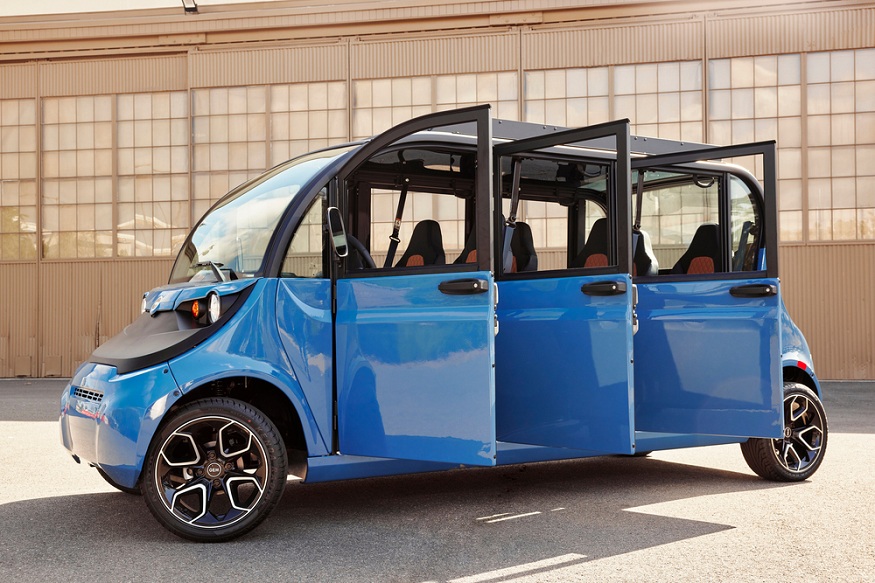
The rise of Low-Speed Vehicles (LSVs) has transformed how gated communities, resorts, and urban centers handle short-distance transportation. Among these, the electric LSV passenger van has emerged as a favorite for its quiet operation and zero-emission profile. However, for many prospective owners, the primary question remains: what does it actually cost to keep one of these vehicles on the road? While the upfront price of an electric van can be higher than its gasoline counterpart, the true financial story is found in the maintenance logs. Because these vehicles are built with a fraction of the moving parts found in traditional internal combustion engines, the ongoing upkeep is often far more affordable than most people anticipate.
Tires and Suspension: The Heavier Load
While the motor is low-maintenance, electric LSVs do have unique requirements when it comes to the parts that touch the road. Because battery packs are dense and heavy, electric passenger vans often weigh more than gas vans of a similar size. This added mass, combined with the instant torque provided by electric motors, can lead to faster tire wear if not monitored. Owners should expect to rotate their tires more frequently—typically every five thousand to seven thousand miles—to ensure even tread wear and maximize the lifespan of the rubber.
Suspension components also work a bit harder in an electric LSV. The weight of the batteries means that bushings, struts, and shocks are under constant load. While these parts are generally robust, a routine annual inspection is essential to check for signs of wear, especially if the van is used for heavy passenger transport or driven over uneven terrain like cobblestones or gravel paths. By keeping the tires properly inflated and the alignment in check, owners can mitigate the impact of the vehicle’s weight and keep these costs manageable.
Read More: Police Car Graphics Longevity: Care and Durability Tips
The Longevity of Braking Systems
One of the most pleasant surprises for first-time electric van owners is the longevity of the braking system. Most electric LSVs utilize regenerative braking, a system that uses the electric motor to slow the vehicle down, simultaneously converting that kinetic energy back into electricity to charge the battery. This means the mechanical brake pads and rotors are only used for the final few feet of a stop or in emergency situations.
Because the traditional brakes are used so sparingly, they can last twice as long—or even longer—than those on a standard vehicle. While you still need to have your brake fluid checked and flushed periodically to prevent moisture buildup, the frequency of “brake jobs” is dramatically reduced. This is a significant cost advantage for passenger vans that frequently operate in stop-and-go environments, where traditional brakes would typically wear out the fastest.
Battery Health and Thermal Management
The battery is the most expensive component of an electric LSV, and maintaining its health is the key to protecting the vehicle’s long-term value. Modern lithium-ion or advanced lead-acid batteries are designed to last for many years, but they do require basic care. Most electric passenger vans include a thermal management system that keeps the battery at an optimal temperature. Maintenance for this system is usually minimal, often involving nothing more than a periodic coolant level check or a software diagnostic to ensure the cells are balancing correctly.
Read More: Residential and Commercial Utah Asphalt Contractor Near Me
To avoid the high cost of a premature battery replacement, owners should follow a few simple best practices. Avoiding “deep discharges” by keeping the battery charge between twenty and eighty percent can significantly extend its cycle life. Additionally, ensuring that the charging ports are clean and free of debris prevents electrical arcing or heat buildup during the charging process. While a full battery replacement is a high-ticket item, most modern LSV batteries are designed to outlast the primary ownership period of the vehicle when cared for properly.
Conclusion
The transition to an electric LSV passenger van represents a shift in how we think about vehicle ownership. While a gas-powered van demands constant attention through oil changes and mechanical tune-ups, the electric van rewards its owner with a “check and inspect” philosophy. The majority of your maintenance costs will be concentrated on visible wear items like tires, wiper blades, and cabin air filters, rather than the hidden and expensive complexities of an engine. When you factor in the energy savings and the drastic reduction in mechanical repairs, the electric LSV passenger van stands out as a remarkably cost-effective solution for modern transport. By investing a small amount of time in routine inspections and battery care, you can enjoy a vehicle that is as easy on your wallet as it is on the environment.