What Suspension Systems Hold Up Best? A Connecticut Mechanic Shares What He’s Learned After Decades in the Shop
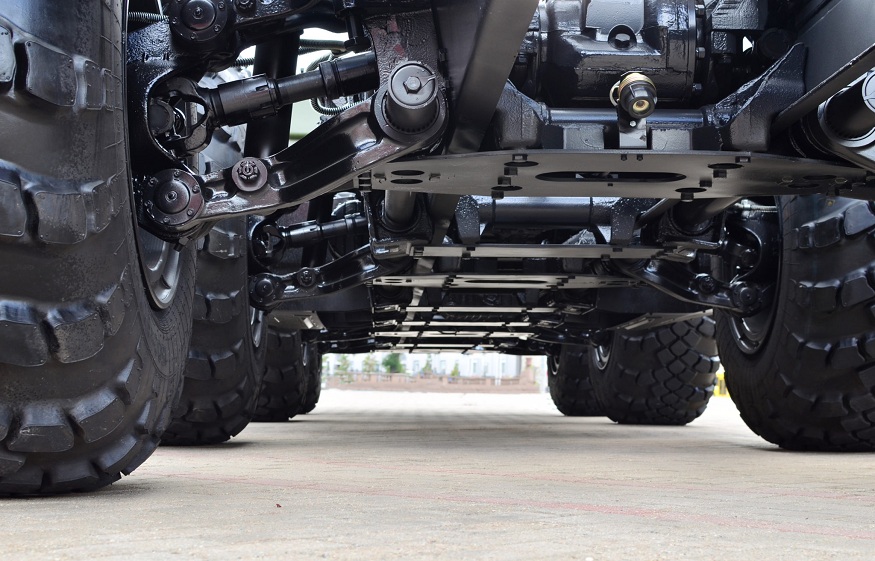
Truck suspension systems rarely get much attention until something breaks. When that happens, the repair is rarely simple. Springs flatten, bushings wear out, brackets shift, and the truck begins to handle differently long before the driver realizes something is wrong. For mechanics who work on work trucks every day, suspension systems tell a story about how a vehicle has been used.
To better understand what suspension components hold up best in real conditions, we spoke with Mark Delaney, a Connecticut based mechanic who has spent more than twenty five years servicing trucks throughout New England. His shop has worked on everything from contractor pickups and landscaping trucks to fleet vehicles that see constant daily use hauling equipment, materials, and cargo.
The conversation offered a practical look at which suspension systems tend to last, what causes them to fail early, and why certain manufacturers earn a better reputation in repair shops.
How long have you been working on suspension systems?
“I started working on trucks in the late nineties,” Delaney explains. “Back then a lot of the work involved basic leaf spring repairs and replacing worn components on work trucks. Over time trucks got more advanced, but the suspension problems are still pretty familiar. The difference now is that trucks carry heavier loads and stay on the road longer.”
In Connecticut and throughout New England, trucks deal with harsh winter conditions that accelerate wear on suspension parts. Salted roads, moisture, and constant freeze and thaw cycles create corrosion that shortens the lifespan of many components.
Read More: Fuel Efficiency Comparison of Modern Rear Loader Trucks
What suspension systems tend to hold up best over time?
According to Delaney, durability comes down to a few basic design factors.
“The best suspension systems are the ones that keep things simple and use quality materials. Good leaf springs, solid bushings, and strong hardware make a big difference. If those parts are engineered properly, they can last a long time even in rough conditions.”
Leaf spring systems remain common in work trucks because of their strength and ability to handle heavy loads. Delaney notes that a well built spring pack can often last many years if the vehicle is maintained properly, and that the same principle applies to the hardware surrounding it.
That goes for the whole system too, not just the springs. Shackles, hangers, U-bolts, all of it matters. You cut corners on any one of those and the whole assembly pays for it eventually.”
What causes suspension systems to fail early?
In Delaney’s experience, early suspension failure often has less to do with the design and more to do with how the truck is used.
“You see trucks that are rated for a certain payload but they’re carrying more than that every day. Over time the springs start to sag and other components wear out faster.”
Read More: McNeilus Refuse Trucks: Customization Options for Your Business
Work trucks are especially vulnerable to this pattern because they tend to be used hard and maintained inconsistently. A pickup hauling landscaping equipment five days a week is putting a fundamentally different kind of stress on its suspension than the same truck used for weekend errands, and the parts need to reflect that difference.
Corrosion also plays a major role in New England.
“Rust can destroy suspension hardware faster than people realize. Bolts seize up, bushings break down, and sometimes the metal itself weakens. That is something mechanics in this region deal with constantly.”
Maintenance also affects longevity, and Delaney points out that neglected components rarely fail in isolation.
“If suspension components are inspected regularly, problems can be caught early. A worn bushing or loose bracket can be fixed before it damages other parts. I have seen a bad hanger take out a spring because nobody caught it in time. Those are preventable repairs.”
Do certain manufacturers stand out in the repair world?
Mechanics tend to develop strong opinions about parts suppliers because they see how components perform after thousands of miles on the road.
“There are definitely manufacturers that mechanics trust more,” Delaney explains. “Companies that focus on suspension components and build them properly tend to earn a good reputation over time. You remember the ones that hold up and you remember the ones that don’t.”
Delaney points out that shops often rely on manufacturers that produce durable leaf springs, coil springs, air springs, and suspension hardware specifically designed for working vehicles, and that the country of origin matters more than people sometimes expect.
“American steel makes a difference in this climate. Parts made to OEM spec from domestic steel tend to hold up better against corrosion than cheaper imported alternatives. When you’re putting a spring on a truck that’s going to spend winters in New England, that’s not a small thing.”
He also values suppliers that stock the full range of components a suspension system needs, not just the springs themselves.
“If I can get the springs, the U-bolts, the shackles, and the hangers from the same place, that saves time and makes sure everything is matched properly. A supplier that only carries part of what you need forces you to piece together hardware from multiple sources, and that creates inconsistency.”
Manufacturers that offer custom solutions also earn respect in the industry, particularly for trucks that are regularly pushed beyond their stock configuration.
“Sometimes trucks are used in ways the original suspension wasn’t designed for. A pickup that gets loaded down with plow equipment and a full bed of material every day is dealing with stress levels the factory setup wasn’t really built to handle long term. Being able to get a spring built to match the actual workload can solve problems that off the shelf parts can’t.”
He adds that build-up services, where a supplier increases an existing spring pack’s carrying capacity rather than replacing it outright, have practical value for owners watching their maintenance costs.
“Not every truck owner wants to do a full spring replacement when they can add capacity to what’s already there. If a supplier can do that work with quality materials and to a reliable standard, that option is worth knowing about.”
What should truck owners watch for when it comes to suspension wear?
Suspension problems often develop gradually, so drivers may not notice the warning signs right away.
“A truck that sits lower in the back than it used to is a pretty common sign of worn springs,” Delaney says. “You might also notice the ride feels rougher or the truck leans when turning. Those are signs the spring pack has lost its rate and isn’t supporting weight the way it should.”
Other indicators include uneven tire wear and unusual noises.
“Clunking sounds when going over bumps can mean bushings or mounts are worn. Those are things that should be checked before they cause bigger problems. Uneven tire wear is another one people overlook. If the tires are wearing differently side to side, the suspension geometry is probably off somewhere.”
Has suspension technology changed much over the years?
While modern trucks include more advanced suspension designs, Delaney says the basic principles remain the same.
“The materials and engineering have improved, but the goal hasn’t changed. Suspension systems still need to support weight, absorb shock, and keep the vehicle stable. A leaf spring is still doing the same job it was doing fifty years ago, just hopefully with better steel and tighter tolerances.”
What has changed is the amount of stress placed on work trucks.
“Trucks today are expected to do more. Contractors, landscapers, tradespeople, they are running these trucks hard every single day. The suspension has to keep up with that. And it means the suppliers who can cover the whole system, not just one piece of it, are the ones shops keep coming back to.”
What advice would you give to truck owners who want their suspension to last?
Delaney keeps his answer simple.
“Use quality parts and don’t overload the truck. Those two things make the biggest difference. Everything else is secondary.”
He also recommends regular inspections, especially in regions with harsh winter conditions.
“If you live somewhere like Connecticut where road salt is common, it is worth checking suspension components every year. Catching a small problem early can save a lot of money later. A worn component that gets inspected and replaced costs a fraction of what it costs when it takes other parts down with it.”
Why suspension reliability matters
For mechanics who service work trucks daily, suspension systems are one of the most important factors in a vehicle’s long term reliability. A well built suspension protects not only the truck but also the tools, equipment, and cargo it carries on every job.
In regions like New England, where weather and road conditions accelerate wear, the difference between durable suspension components and poorly made replacements becomes obvious quickly. Mechanics like Delaney see that difference every day.
“A good suspension system doesn’t draw attention to itself,” he says. “It just keeps doing its job year after year. That’s really what truck owners want.”