Shipping a Car From Winnipeg to Calgary
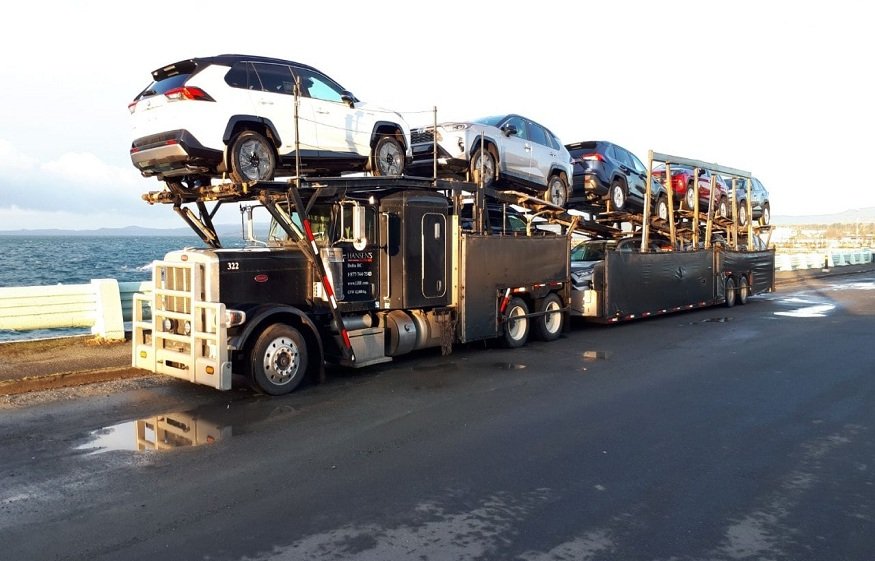
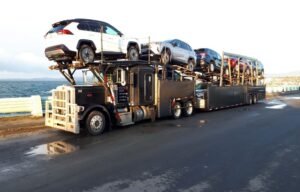
The drive from Winnipeg to Calgary crosses the heart of the Prairies, around 1,300 kilometres of flat farmland, big skies, and long stretches between towns. It is a trip many Canadians make for work, family, or a fresh start, and it is one of the main links between Manitoba and Alberta. For anyone moving a household or a second vehicle, shipping the car is often easier than taking two days off to drive it.
This guide explains how a Winnipeg to Calgary shipment works, what to expect on the prairie highway, and how to prepare for a smooth handoff.
Why the Route Is So Common
Alberta draws steady numbers of workers from Manitoba. Jobs in energy, construction, health care, and technology pull people west, and a lower cost of living than the coast keeps Calgary attractive. Students move between the University of Manitoba, the University of Winnipeg, and schools in Calgary. Families relocate to be near relatives, and buyers look at used trucks and SUVs in both markets.
Read More: The golden rules of school transport
Many of these moves are rushed. A job offer has a start date, a lease ends, or a house closes, and the vehicle is one more item on a crowded list. Shipping the car separately lets you fly or share a ride and meet the car at the other end.
The Highway Across the Prairies
The route follows the Trans-Canada Highway west from Winnipeg through Brandon, Regina, Moose Jaw, Swift Current, and Medicine Hat before reaching Calgary. Most of it is a well-maintained, four-lane corridor with regular services, which makes it a busy commercial route.
The prairies have their own challenges. Winter brings blowing snow, ground blizzards, and sudden whiteouts that can close sections of the highway. Summer storms can bring hail and strong crosswinds. Distances between larger towns are long, and a delay in one place can affect the whole schedule. Winnipeg to Calgary car shipping typically takes about seven days under normal conditions, so it is wise to plan for a flexible window.
Pickup in Winnipeg
Winnipeg is flat and spread out, with wide streets in most suburbs and open driveways. Neighbourhoods like St. Vital, Transcona, and Charleswood are usually easy to reach. Downtown, the Exchange District, and areas with older apartment buildings have tighter streets and limited parking, which makes it hard for a large truck to stop.
If your address is awkward, the driver can meet you at a nearby wide street or a parking lot. In winter, make sure the vehicle is cleared of snow and that the area around it is plowed enough for loading. Winnipeg car shipping works best when the car is ready and accessible on the pickup day.
Delivery in Calgary
Calgary is also wide and easy to navigate in most suburbs. Areas like Airdrie, Cochrane, and the newer communities on the edges of the city are straightforward. Downtown and the Beltline have limited loading space and strict building rules, so a nearby meeting point is often easier.
Have someone available to meet the driver, and confirm the delivery address and phone number in advance. A quick handoff keeps the schedule on track and avoids a second delivery attempt.
Crossing Saskatchewan
Most of the route runs through Saskatchewan, a province many shipments pass through without stopping. The long stretches without large cities mean drivers plan fuel, rest, and weather carefully. If your move involves a stop in Regina or Saskatoon, tell the shipper when you book, since partial routes can sometimes be arranged. Car shipping in Saskatchewan covers the cities along the corridor for those who need a pickup or drop-off in the middle.
When to Book
Demand on this route follows the seasons. Summer is the busiest period, with families moving before school starts. Late August brings student moves. Winter has fewer shipments, but the weather can slow trucks, so build in extra time.
Booking two to three weeks ahead is a good habit for a route of this length. If your date is fixed, book earlier and ask for a delivery window so a storm does not upset your plans.
Preparing Your Vehicle
Preparation protects your car and your paperwork. Wash the vehicle so any existing marks are easy to see, and photograph every side.
- Remove personal items and valuables from the interior and trunk.
- Keep the fuel level at about a quarter tank.
- Check the tires, battery, and brakes.
- Remove toll tags and parking passes.
- Note any existing damage on the condition report at pickup.
Prairie roads can mean gravel chips and bugs, so expect a dirty car on arrival. Mention winter tires or block heater cords so the driver can secure them.
Registration and Insurance in Alberta
Moving a vehicle from Manitoba to Alberta means switching your registration and insurance. Manitoba runs a public auto insurance system, and Alberta uses private insurers, so your coverage changes. Get quotes from Alberta insurers before you move and cancel the Manitoba plan correctly to avoid gaps.
Read More: Regulations in road transport
Alberta requires new residents to register their vehicle within a set period after arriving. Keep your ownership documents ready, and ask your insurer to confirm coverage while the vehicle is on a truck.
Coordinating With a Household Move
Many shipments on this route are part of a larger relocation, and timing is the main challenge. Movers, lease dates, and the car all need to line up. Book the vehicle once your move date is firm, and leave a day or two of buffer so you are not waiting on the car or paying for parking you do not need. If the car will arrive before you, make sure someone can receive it, or arrange a delivery time you can be there for.
Driving Versus Shipping
Driving yourself across the Prairies takes about two days of steady driving, plus fuel, meals, and a hotel night. You also put 1,300 kilometres on the car, which matters if you plan to sell or trade it soon. Shipping makes sense when your schedule is tight, when you are moving a household, or when winter weather makes the highway a concern.
A Prairie Move Made Simple
Winnipeg to Calgary is a long haul on a straight road, and it is well suited to professional transport. Choose a flexible window, prepare the car, plan a clear pickup and delivery spot, and sort out your insurance. With those steps done, your car arrives ready for life in Alberta.
Frequently Asked QuestionsHow long does it take to ship a car from Winnipeg to Calgary?
It typically takes about seven days under normal conditions. Weather and scheduling can change the exact timing, so ask for a delivery window.
Can winter weather delay a shipment across the Prairies?
Yes. Blowing snow and whiteouts can slow or close sections of the Trans-Canada Highway. Leave extra days if your move falls between November and March.
Can I ship a car from Winnipeg to Calgary with a stop in Regina?
Often yes. Tell the shipper about any pickup or drop-off in Saskatchewan when you book, and they can plan the route around it.
Do I need to change my insurance when moving from Manitoba to Alberta?
Yes. Manitoba and Alberta use different insurance systems, so you will need new coverage in Alberta. Get quotes before you move and keep your coverage active during the transition.
When is the best time to ship a car between Winnipeg and Calgary?
Late spring and early fall offer a good balance of availability and weather. Summer is busy, so book several weeks ahead if your move falls then.