Fuel Efficiency Comparison of Modern Rear Loader Trucks
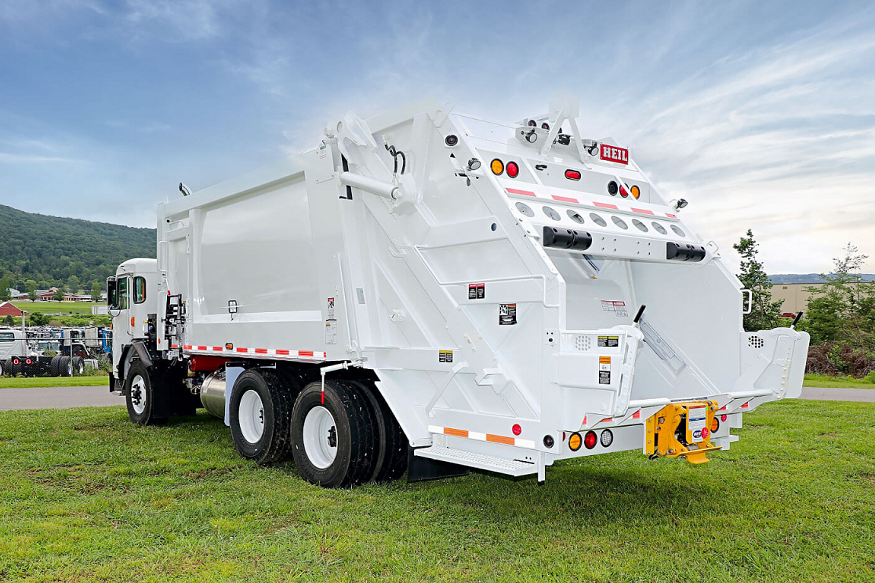
Fuel efficiency has become a key consideration for waste management companies and municipalities operating rear loader garbage trucks. With rising fuel costs and increased environmental regulations, understanding how different rear loader models perform in terms of fuel consumption is essential. Efficient fuel use not only reduces operational expenses but also minimizes carbon emissions, supporting sustainability goals. In this article, we explore the factors that affect fuel efficiency in modern rear loader trucks and highlight how trusted brands like Atlantic Heavy Duty optimize performance for both cost savings and environmental responsibility.
The Growing Importance of Fuel Efficiency
Waste collection is a fuel-intensive operation. Rear loader trucks travel long routes with frequent stops, idle during collection, and operate heavy compaction systems that consume additional energy. For municipal fleets and private operators, fuel can account for a significant portion of operational costs.
Modern rear loader trucks are designed to address these challenges by integrating fuel-efficient engines, optimized hydraulics, and lightweight body components. Choosing an efficient rear loader reduces both the financial burden of fuel and the environmental impact of emissions, making it a strategic priority for any fleet manager.
Engine Performance and Fuel Consumption
The type and performance of the engine are major determinants of a rear loader’s fuel efficiency. Diesel engines remain the most common in rear loader trucks due to their torque and durability, which are critical for heavy compaction tasks. However, advances in engine technology, including turbocharging, improved fuel injection, and electronic engine management, have significantly improved fuel economy.
Atlantic Heavy Duty rear loaders are engineered to pair robust engines with efficient hydraulic and compaction systems, ensuring that the engine workload is optimized. By reducing unnecessary strain on the engine and providing smooth power delivery, these trucks consume less fuel while maintaining high compaction performance.
Impact of Compaction Systems on Fuel Efficiency
The compaction mechanism in a rear loader truck directly affects fuel consumption. Trucks with inefficient packer designs or hydraulic systems require more engine power to compress waste, which increases fuel use. Conversely, advanced compaction systems reduce engine workload by operating more smoothly and efficiently.
Atlantic Heavy Duty rear loaders feature high-performance hydraulic systems with reinforced packer blades, which maintain consistent compaction with minimal energy expenditure. These designs allow trucks to carry larger payloads per trip without overtaxing the engine, translating into fewer trips to disposal sites and improved fuel economy.
Body Design and Vehicle Weight
The weight and aerodynamics of a rear loader body influence fuel efficiency. Heavier trucks require more energy to move, particularly on long routes with frequent stops. Lighter, reinforced materials reduce the overall vehicle weight without compromising durability, allowing the truck to use fuel more efficiently.
Modern rear loader trucks, including Atlantic Heavy Duty models, use high-strength steel and corrosion-resistant coatings to create durable yet weight-optimized bodies. The design also ensures that the load is distributed evenly, reducing unnecessary strain on the engine and improving fuel performance across diverse route conditions.
Route Optimization and Stop Frequency
Fuel efficiency is also affected by operational factors such as route design and stop frequency. Rear loader trucks that operate on well-planned routes with minimal backtracking or idle time consume less fuel than those on inefficient routes.
Municipalities and private companies can pair fuel-efficient rear loader trucks with route optimization software to maximize performance. By reducing idling, minimizing unnecessary stops, and maintaining steady speeds, fleets can achieve better fuel economy without compromising collection quality.
Alternative Fuel and Hybrid Options
To further improve fuel efficiency and reduce emissions, many modern rear loader trucks are now compatible with alternative fuel or hybrid systems. Compressed natural gas (CNG), biodiesel blends, and hybrid-electric options are becoming more popular in urban fleets seeking sustainability.
Atlantic Heavy Duty rear loaders can be integrated with a variety of alternative fuel chassis, allowing fleets to benefit from lower fuel costs and reduced greenhouse gas emissions. These options are particularly attractive for municipalities aiming to meet environmental regulations and sustainability targets.
Maintenance and Fuel Efficiency
Proper maintenance is critical for sustaining fuel efficiency in rear loader trucks. Dirty air filters, worn tires, low hydraulic fluid, or poorly maintained engines can all increase fuel consumption. Regular inspections and preventive maintenance help ensure that trucks operate at peak efficiency.
Atlantic Heavy Duty supports this with designs that facilitate easy access to hydraulic components, engine systems, and service points. Simplified maintenance reduces downtime and keeps fuel consumption consistent, allowing fleets to maximize operational efficiency.
Comparative Fuel Performance
When comparing rear loader models, fuel efficiency varies depending on engine type, compaction system design, vehicle weight, and operational conditions. High-performance models from Atlantic Heavy Duty have been engineered to provide a balance of power and efficiency. Fleets using these trucks often report measurable reductions in fuel consumption compared to older or lower-specification models, particularly on high-density urban routes.
Factors like payload optimization, advanced hydraulic systems, and modern engine management systems all contribute to improved fuel economy without sacrificing compaction performance or service reliability.
Economic and Environmental Benefits
Fuel-efficient rear loader trucks deliver both economic and environmental benefits. Reduced fuel consumption lowers operating costs, allowing fleets to allocate resources to other operational needs. Additionally, improved fuel efficiency reduces carbon emissions, helping municipalities and private operators meet environmental compliance and sustainability goals.
By investing in modern rear loader trucks from trusted brands like Atlantic Heavy Duty, fleets achieve these benefits while maintaining the durability, compaction performance, and reliability necessary for daily waste collection operations.
Final Thoughts
Fuel efficiency is a critical factor in selecting a rear loader garbage truck. Engine performance, hydraulic design, body weight, route optimization, alternative fuel options, and proper maintenance all influence fuel consumption. Modern rear loader trucks, such as those manufactured by Atlantic Heavy Duty, incorporate advanced features that maximize fuel economy while maintaining operational efficiency and durability.