How McNeilus Front Loaders Improve Efficiency in Waste Management Operations
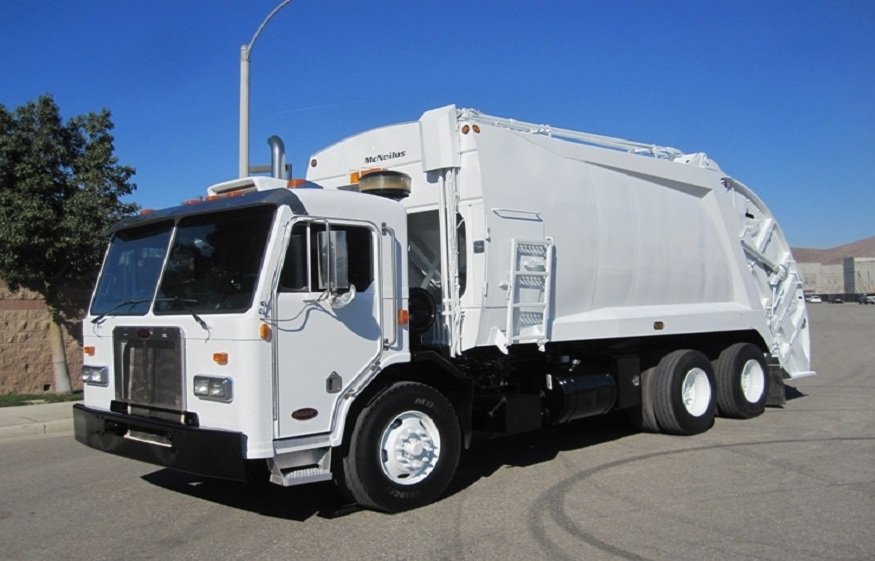
Efficiency is essential for successful waste management operations. Collection companies must complete scheduled routes, manage labor and fuel expenses, maintain vehicles, and transport refuse to disposal facilities. When a fleet operates inefficiently, even small delays can affect the entire collection schedule. Choosing equipment that supports consistent performance is therefore an important business decision.
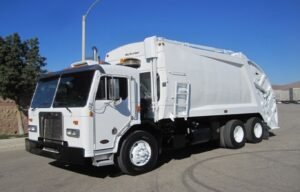
Front-loading garbage trucks are commonly used for commercial waste collection because they can lift and empty compatible dumpsters using a mechanical arm system. McNeilus front loader models include features intended to support lifting, packing, serviceability, and daily operation. Understanding how these features contribute to efficiency can help fleet managers evaluate their potential value.
Faster and More Organized Container Collection
Commercial waste collection routes often include multiple businesses and facilities that use large dumpsters. Manually handling waste containers would require additional labor and could slow down the collection process.
A front loader uses lifting arms to raise compatible containers over the cab and empty them into the hopper. This process allows the driver to service designated collection points without requiring workers to empty the contents manually.
When dumpsters are properly positioned and compatible with the vehicle, the lifting system can help create a more organized collection process. Drivers can follow a planned route, service each location, and move to the next stop with fewer manual handling tasks.
Route design and container placement remain important. Businesses should ensure that collection areas provide enough clearance for the vehicle and its lifting equipment.
Compaction Supports Better Use of Truck Capacity
One of the main factors affecting collection efficiency is how much waste a truck can carry before it needs to be emptied. Loose refuse can occupy a large amount of space, even when its total weight is relatively low.
Compaction helps compress collected material inside the truck body. By making better use of available space, a refuse vehicle may be able to collect more material before travelling to a disposal facility.
McNeilus front loaders use Excalibre packing cylinders featuring a patented tool steel shaver and nitrided rods. These components are designed to resist wear and corrosion while helping reduce hydraulic contamination.
Effective packing can support route productivity, although the actual amount collected depends on material type, density, legal weight limits, and vehicle configuration. Operators must always avoid overloading the truck.
Body Capacity Options for Different Workloads
The correct body capacity can have a direct effect on operational planning. A vehicle that is too small for its assigned routes may need to visit disposal facilities more frequently. A truck that is larger than necessary may increase acquisition and operating costs.
McNeilus offers two main front loader options through Atlantic Heavy Duty: the Atlantic Series and Meridian.
The Atlantic Series is available in body capacities of 36, 40, 43, and 45 cubic yards. It is designed for demanding routes and heavy-duty workloads.
The Meridian model offers body capacities of 32, 36, 40, and 43 cubic yards. It is positioned as a versatile option for commercial and residential collection. Its listed specifications include a 10,000-pound arm lift capacity and a 14-ton payload capacity, with final vehicle capabilities depending on the selected configuration.
Fleet managers should compare these capacities with the average volume and weight of refuse collected on their routes.
Lifting Capability Helps Handle Commercial Dumpsters
Commercial collection locations may use large containers that become heavy when filled. A suitable lifting system is essential for servicing these containers consistently.
The McNeilus Atlantic Series features arms rated for lifting up to 10,000 pounds, depending on the equipment configuration. This capability can help collection companies handle demanding commercial applications when the containers are compatible with the truck.
Correct container positioning is important for efficient lifting. Drivers need adequate space, clear visibility, and an appropriate approach to each dumpster. Damaged containers or unsuitable lifting points can create operational problems and should be addressed before collection.
Proper training also helps drivers use the lifting system correctly and follow safe operating procedures.
Diagnostic Controls Can Help Reduce Troubleshooting Delays
When a truck develops a mechanical or electrical problem, maintenance teams need to identify the cause as efficiently as possible. Delayed troubleshooting can keep a vehicle out of service and disrupt collection schedules.
McNeilus offers its CODE controls system on its front loader line. The system provides diagnostic and troubleshooting information that can help operators and technicians understand equipment conditions.
This information can support maintenance decisions and make it easier to investigate certain issues. Technicians should still follow the manufacturer’s service procedures and use appropriate diagnostic equipment when repairs are necessary.
A well-organized maintenance process can help businesses respond to problems before they create extended downtime.
Service-Friendly Design Supports Fleet Availability
A refuse truck must be available when collection routes are scheduled. If important components are difficult to access, routine servicing and repairs may take longer.
McNeilus front loaders feature a clean headframe designed to improve serviceability while protecting hydraulic and electrical components. This design can help maintenance personnel access and inspect important systems.
Fleet operators should establish inspection routines for hydraulic hoses, cylinders, lifting arms, packing components, electrical connections, brakes, tires, and other essential parts. Maintenance records can help identify recurring issues and plan repairs more effectively.
Matching the Chassis to Route Conditions
The body and lifting equipment are only part of the complete vehicle. Chassis selection also affects how a front loader performs in daily operations.
Different routes may involve narrow streets, heavy traffic, steep approaches, uneven surfaces, or long distances between collection points. Fleet managers should consider vehicle dimensions, axle configuration, gross vehicle weight rating, turning requirements, and local regulations.
Atlantic Heavy Duty lists chassis options for McNeilus front loaders from manufacturers such as Peterbilt, Kenworth, Mack, Autocar, and Battle Motors. Exact availability varies by model and configuration.
Selecting a suitable chassis helps ensure that the complete truck matches the business’s operating environment.
Better Route Planning and Driver Training
Even a capable truck cannot deliver its full potential without effective route planning. Collection companies should organize stops according to location, container size, expected waste volume, traffic conditions, and disposal facility schedules.
Drivers should understand the vehicle’s controls, lifting procedures, operating limits, and inspection requirements. Proper training can reduce avoidable errors and help maintain consistent collection practices.
Managers can also review route performance to identify unnecessary travel, repeated delays, and locations that require special attention. Combining suitable equipment with organized planning can improve overall fleet productivity.
Working With Atlantic Heavy Duty
Equipment selection and long-term support both matter when improving waste management efficiency. Atlantic Heavy Duty provides refuse truck sales, service, parts, and financing support for customers considering McNeilus equipment.
Its product information covers Atlantic Series and Meridian front loaders, including available body capacities and chassis options. Buyers can discuss their operational requirements with the supplier and request details about current configurations.
Access to parts and service support can also help businesses plan maintenance and respond when repairs are needed.
Conclusion
McNeilus front loaders can support efficient waste management through mechanical container lifting, compaction systems, practical body capacity options, diagnostic controls, and service-friendly design. However, efficiency depends on choosing the right model, maintaining the vehicle properly, training drivers, and planning routes carefully. Businesses that evaluate these factors together can make better fleet decisions. Atlantic Heavy Duty can help prospective buyers explore available McNeilus front loader options and identify equipment that aligns with their collection requirements.