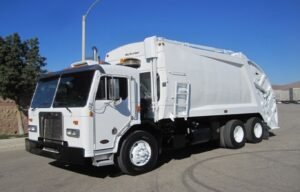
Why Durability Matters in McNeilus Refuse Trucks
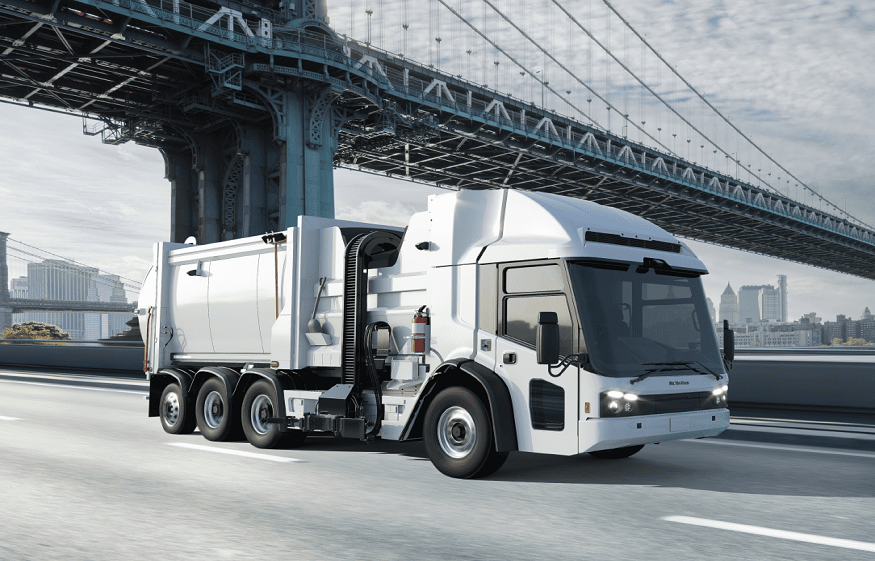
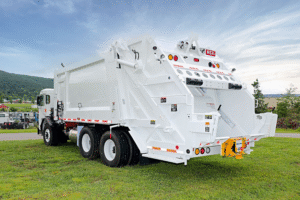
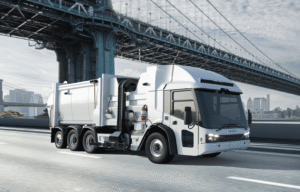
Durability is one of the most important qualities of a commercial refuse truck. Waste collection vehicles operate in demanding environments where they handle heavy materials, perform repeated loading cycles, and travel across different road conditions. Their components must withstand regular use while maintaining dependable performance. For waste management companies, choosing durable equipment can help reduce unexpected repairs, control maintenance expenses, and support consistent collection schedules. McNeilus refuse trucks are designed for demanding waste collection applications, making durability an important consideration when evaluating their different vehicle configurations.
Understanding the Demands of Waste Collection
Refuse trucks experience more demanding operating conditions than many conventional commercial vehicles. They frequently stop, start, lift containers, compact waste, and transport heavy loads throughout the working day.
These repeated activities place stress on vehicle structures, hydraulic systems, loading mechanisms, and other mechanical components. Trucks may also operate in environments where dust, moisture, debris, and changing temperatures affect equipment condition.
Durable construction helps vehicles withstand these working conditions. Companies should evaluate the intended application and select equipment designed to handle their expected collection workload.
Strong Vehicle Construction Supports Long-Term Performance
The construction quality of a refuse truck influences its ability to perform demanding collection activities over time. The body, frame, mounting structures, and loading components must be suitable for repeated operation.
Different collection applications place different demands on vehicle construction. Commercial routes may involve larger containers and heavier waste loads, while residential operations may require frequent lifting and compacting cycles.
McNeilus offers different refuse truck configurations for various collection requirements. Buyers should review construction specifications and understand which features are appropriate for their intended applications.
Selecting a suitable vehicle from the beginning can help businesses avoid unnecessary equipment limitations.
Durable Loading and Compaction Systems
Loading and compaction mechanisms are among the most frequently used components of a refuse truck. They perform repeated mechanical movements during collection activities and must operate consistently throughout the working day.
Wear can develop around moving parts, hydraulic connections, lifting mechanisms, and other high-use areas. Regular inspection helps identify developing problems before they affect the entire collection operation.
Companies should follow manufacturer maintenance recommendations and train operators to use loading equipment correctly. Avoiding improper operation and unnecessary overloading can help reduce mechanical stress.
A well-maintained loading system supports reliable daily performance and helps businesses manage collection schedules more effectively.
Hydraulic System Reliability
Hydraulic equipment plays an important role in the operation of many refuse trucks. It powers lifting mechanisms, compactors, and other equipment that requires controlled movement and force.
Hydraulic components must be inspected regularly because damaged hoses, leaking seals, contaminated fluid, and worn connections can affect system performance.
Maintenance teams should monitor hydraulic fluid condition and inspect important connections according to recommended procedures. Unusual equipment movement or pressure changes should be investigated by qualified technicians.
Using appropriate replacement components and following technical specifications can help protect the hydraulic system from unnecessary problems.
Protecting the Chassis and Suspension
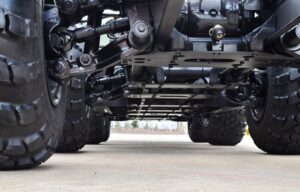
The chassis and suspension support the vehicle’s weight and help manage the demands of transportation and collection activities. Heavy loads and frequent stops can increase stress on these components.
Fleet maintenance teams should inspect suspension parts, mounting points, tires, and related structural areas. Uneven tire wear, unusual vibrations, and changes in vehicle handling may indicate that an inspection is necessary.
Maintaining correct tire pressure and following vehicle weight limitations can also help protect the chassis and suspension.
Read More: Fuel Efficiency Comparison of Modern Rear Loader Trucks
Businesses should ensure that the selected truck configuration is compatible with the intended workload and applicable weight regulations.
Regular Maintenance Helps Preserve Durability
Even durable refuse trucks require proper maintenance. Regular inspections help identify worn components, fluid leaks, loose connections, and other issues that may affect vehicle performance.
A preventive maintenance program should cover the engine, transmission, brakes, electrical systems, hydraulic equipment, and collection body.
Researching McNeilus companies and their available maintenance resources can help fleet managers understand equipment support requirements. Companies should also review technical publications and follow the recommended servicing procedures for their particular vehicle models.
Maintenance records are valuable because they allow businesses to monitor repairs, identify recurring issues, and plan future servicing.
The Importance of Quality Replacement Components
Replacement components are necessary throughout the working life of a commercial refuse truck. Selecting suitable parts helps maintain compatibility and supports the proper operation of vehicle systems.
Before purchasing replacement components, technicians should verify the model, serial information, configuration, and applicable part numbers. Installing an incorrect component may create additional problems or affect equipment performance.
McNeilus companies and their authorized dealer networks are important resources for buyers researching parts availability and equipment support. Businesses should identify suitable sourcing channels before an unexpected repair creates operational pressure.
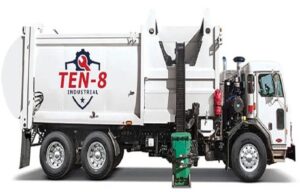
Ten-8 Industrial is part of the McNeilus independent dealership network. It provides access to McNeilus vehicle sales, parts, service, and maintenance support across Alabama, Florida, Georgia, and Mississippi. Its service resources include refuse body diagnostics, hydraulic system repairs, and preventative maintenance.
Reducing Downtime Through Preventive Care
Vehicle downtime can create financial and operational challenges for waste management companies. When a truck becomes unavailable, collection schedules may need to be adjusted, and other vehicles may have to handle additional workloads.
Preventive maintenance helps reduce the possibility of unexpected equipment failures. Fleet managers should establish inspection schedules and address reported problems promptly.
Keeping suitable replacement components available can also help technicians complete common repairs without unnecessary delays. Companies should identify frequently required components based on their maintenance history and fleet requirements.
Researching McNeilus companies and their technical support options can help businesses develop a more organized approach to equipment maintenance.
Durability and Long-Term Operating Costs
Durability can influence the overall cost of owning a refuse truck. Vehicles that remain in dependable operating condition may require fewer unexpected repairs and experience less unplanned downtime.
However, durability should not be evaluated separately from maintenance and operating requirements. Even a well-constructed vehicle needs regular servicing, responsible operation, and appropriate replacement components.
Businesses should compare purchase prices alongside maintenance expenses, fuel consumption, repair history, and expected service life.
Researching McNeilus companies can help fleet managers understand the available equipment range and identify solutions that match their operational and financial requirements.
Choosing Equipment for Long-Term Business Needs
Waste management companies should select refuse trucks according to their present collection requirements and future business plans. A vehicle that is suitable for a small residential route may not meet the demands of a growing commercial operation.
Fleet managers should consider body configuration, payload, operating conditions, service availability, and maintenance requirements before making a purchase.
Ten-8 Industrial can support buyers within its authorized territory by providing information about McNeilus refuse vehicles and related service options. Evaluating dealer support alongside vehicle specifications helps businesses make more informed investment decisions.
Conclusion
Durability matters in McNeilus refuse trucks because these vehicles must perform demanding collection activities consistently over extended periods. Strong construction, dependable loading systems, properly maintained hydraulics, and suitable chassis components all contribute to long-term vehicle performance.
Waste management companies can protect their investments through preventive maintenance, responsible vehicle operation, and appropriate replacement component selection. Researching McNeilus companies and working with knowledgeable dealer support providers such as Ten-8 Industrial can also help businesses plan equipment purchases and maintenance requirements. With proper care and suitable vehicle selection, companies can support dependable waste collection operations while managing long-term fleet costs.