Critical Minerals 101: Why Gallium, Germanium, and Tantalum Matter to North American Manufacturers
Your phone charger, a fighter jet’s radar, and a pacemaker have more in common than you might expect: each one depends on a metal most people have never heard of! Today, we’ll tell you all about gallium, germanium, and tantalum, three critical minerals that don’t get headlines the way lithium or copper do. They show up in tiny amounts, often measured in milligrams. Yet without them, a big slice of American manufacturing would grind to a halt.
These three metals sit at the heart of semiconductors, telecom networks, defense systems, and medical devices. Their supply chains are also some of the most concentrated on the planet. And right now, a single date on the calendar has supply chain managers watching closely.
If your company makes, buys, or recycles electronics, here’s what you should know about these metals and why they matter right now.
What Makes a Mineral “Critical”?
The U.S. Geological Survey keeps an official list of minerals the country considers vital to the economy and national security. All three of these metals appear on it.
A metal usually earns a spot on the list when it checks three boxes:
- It’s hard to replace: No cheap substitute does the same job quite the same.
- Supply is concentrated: One or two countries control most production or refining.
- Disruption would hurt: A shortage would hit defense, energy, or other key industries.
Gallium, germanium, and tantalum check all three.
Gallium: The Chip Metal Behind 5G and Fast Chargers
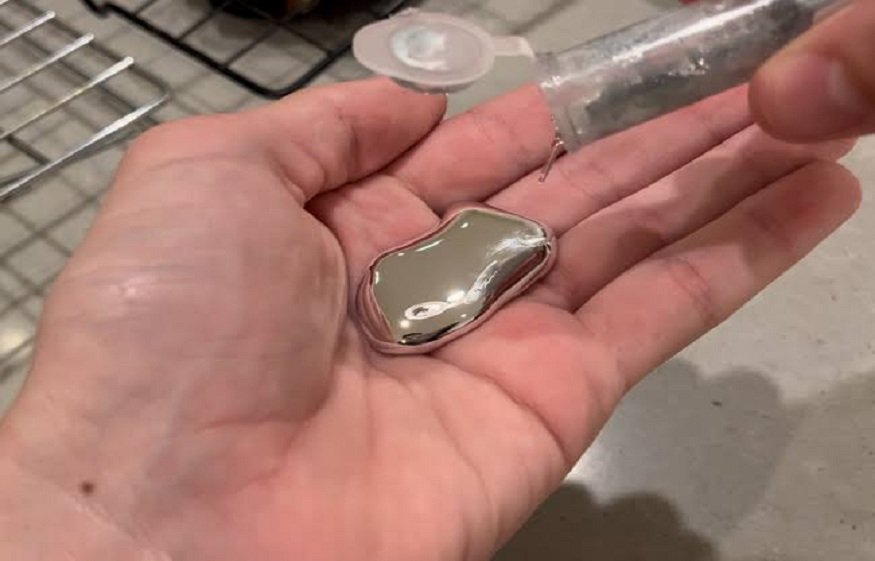
Gallium rarely gets mined on its own. It comes out of other industries’ process streams, mainly alumina production. That ties supply to how much bauxite gets refined and whether a plant has invested in recovery gear.
Gallium is especially valuable to manufacturers in three sectors:
- Defense and aerospace: Radar and satellite systems use gallium-based chips because they can handle high-frequency signals.
- Telecom: Gallium chips are used in 5G radios and base stations to help transmit signals with less power.
- Power electronics: Gallium nitride is increasingly used in smaller chargers, EV components, and data center power systems.
China controls the vast majority of refined gallium. A 2024 EU report put its share of production at 94%, and some industry estimates run even higher.
Germanium: The Quiet Partner in Fiber Optics and Night Vision
Germanium is a hard, grayish element that also comes as a byproduct, mostly from zinc ores and coal fly ash. Like gallium, it depends on another industry’s output. If zinc production slows, germanium supply slows with it.
Manufacturers use germanium in several ways:
- Fiber optic cables: It helps keep light moving through the glass fibers that transmit telecommunications data.
- Infrared optics: Germanium is used in lenses for night vision devices, thermal cameras, and military targeting equipment.
- Space solar cells: It provides the base for high-efficiency solar cells used on most satellites.
China also leads germanium output, though by a smaller margin. The U.S. Geological Survey has looked at both metals together and estimated that a total Chinese export ban on gallium and germanium could cut U.S. GDP by between $3.4 billion and $9 billion.
Tantalum: Small Capacitors, Big Responsibility
Tantalum is a dense, blue-gray metal. It resists corrosion and stores a lot of charge in very small spaces.
Its main uses include:
- Capacitors: Tiny tantalum capacitors sit inside phones, laptops, cars, and medical electronics.
- Superalloys: Jet engine and gas turbine parts that face extreme heat.
- Medical implants: The body tolerates it well, so it appears in pacemakers and bone implants.
- Sputtering targets: Chipmakers use them to lay down ultra-thin metal layers on wafers.
Tantalum’s supply challenge looks a little different. Much of the mined supply comes from Central Africa, especially the Democratic Republic of the Congo and Rwanda, and a large share gets processed in China.
Read More: RV Roof Replacement: A Complete Guide for Every RV Owner
That adds conflict mineral concerns on top of supply risk. U.S.-listed companies have to report on their tantalum sourcing under the SEC’s conflict minerals rule.
The November 27 Deadline
Beijing has treated these metals as bargaining chips for more than three years, tightening and loosening controls as trade talks rise and fall.
The one-year pause runs out on November 27, 2026. So far, China hasn’t said publicly whether it’ll renew the pause or let it lapse.
Two pieces stay in place regardless. Exporters still need Chinese licenses, and sales to U.S. military end users remain off-limits. Defense suppliers are exposed either way.
The effects don’t stop at defense. Telecom, automotive, and LED manufacturers across the U.S. buy parts that trace back to Chinese gallium and germanium, even when their direct suppliers are in Taiwan, South Korea, or Mexico.
What This Means for U.S. Manufacturers
Let’s use a mid-sized telecom equipment maker in Ohio as an example. Its radio units rely on GaAs amplifier chips. The gallium inside each unit costs pennies, yet if the chip supplier can’t get material, the whole production line stops.
That’s the trouble with small-volume metals. They’re cheap per unit and impossible to skip. Supply concentration turns into business risk in a few ways:
- Price swings: A single policy announcement can move prices overnight.
- Longer lead times: Export licenses add paperwork and delays.
- Contract exposure: Defense and telecom contracts may require proof of non-Chinese sourcing.
- Planning headaches: It’s hard to build a five-year plan around a supply line with a 12-month expiry date.
Small and mid-sized shops feel this most. Large firms can stockpile, while smaller buyers often purchase month to month and absorb whatever price the market sets.
Alternative supply is on the way, but it moves at the pace of heavy industry. A recovery circuit at a refinery has to be designed, permitted, built, and ramped up before it ships a single kilogram.
Federal agencies, including the Department of Defense, have put money toward new domestic refining and recovery projects. Commercial volumes are still limited, though.
Where Scrap Metal Recycling Fits In
A good share of the gallium, germanium, and tantalum American manufacturers need is already here, sitting in scrap bins, storage rooms, and retired equipment.
Each metal has its own recycling story. For example, gallium recovery works well inside factories, where wafer and chip production leaves behind concentrated, clean scrap. Old consumer devices are a much tougher source.
For the full picture on what’s recoverable today, Scrap Gators has a detailed guide to recovering gallium from semiconductor scrap.
Tantalum is one of the better bets in e-waste. Its capacitors are easy to identify on circuit boards, and high-grade capacitor scrap already has its own market.
Recycling tantalum has another benefit: it can simplify sourcing documentation. Under the SEC’s conflict minerals rule, material recovered from scrap is treated differently from newly mined ore, potentially reducing some of the reporting work.
Germanium recovery is especially well established in the optics industry. Lens manufacturers and fiber producers send grinding residue and rejected components back to refiners, and some older infrared lenses are recovered, too.
The bottom line for manufacturers? Scrap isn’t necessarily waste. If you handle and document it properly, it can become another source of material when supplies get tight.
Tips for Manufacturers
You don’t have to make big changes to your supply chain right away. Instead, focus on a few practical ways to reduce your dependence on Chinese materials:
- Check your bill of materials: Identify any parts that contain gallium, germanium, or tantalum.
- Find out what suppliers rely on: Ask how much they source from China and whether they have alternatives lined up.
- Consider another supplier: Sourcing from outside China may be more expensive, but it gives you a backup if restrictions return.
- Keep extra inventory where needed: A few months of your most vulnerable parts can help you manage licensing delays.
- Put production scrap to use: Partner with a recycler or refiner to recover materials that can go back into the supply chain.
- Keep good records: Document where your materials come from to support conflict minerals reporting and defense contracts.
- Have two plans ready: One for another extension of the pause and another if restrictions return.
In Closing
Gallium, germanium, and tantalum are easy to overlook on a bill of materials. They rarely show up as a big cost line, yet a shortage of any one of them can stall a product launch.
Read More: The Ultimate Guide to Car Workshop Manuals: Your Complete Guide to Taking Care of Your Car
The November 27 deadline is a good prompt to take stock. Look at where these metals enter your business, who supplies them, and what happens to them when your products are retired.
A supplier survey and a scrap plan cost very little, and both pay off whether Beijing extends the pause or not.
Manufacturers who plan now will have more options later, whatever the next headline brings!